Table of Contents
Why the Seal of the Primary Underlayment is the Most Critical Part of a Residential Roof Replacement
In the complex process of residential roof replacement, numerous components demand attention—from shingles and flashing to ventilation systems. However, one element often overlooked yet pivotal to long-term performance is the primary underlayment. This crucial layer, installed directly over the roof deck, serves as the building’s primary defense against water infiltration. Among its features, the integrity of the seal stands out as the most critical aspect. A properly sealed underlayment prevents moisture from penetrating seams, overlaps, and penetrations, safeguarding the home’s structure. As we delve deeper, we’ll explore why this seal surpasses other elements in importance, backed by industry insights and practical considerations.
Transitioning from general roofing knowledge, understanding the underlayment’s role sets the foundation. The primary underlayment, typically synthetic or asphalt-saturated felt, creates a secondary weather barrier beneath the shingles. While shingles shed most water, they aren’t impenetrable—wind-driven rain, ice dams, and thermal expansion can force water underneath. Here, the underlayment’s seal becomes the last line of defense, ensuring no leaks reach the wooden decking below.
What is Primary Underlayment and Its Seal
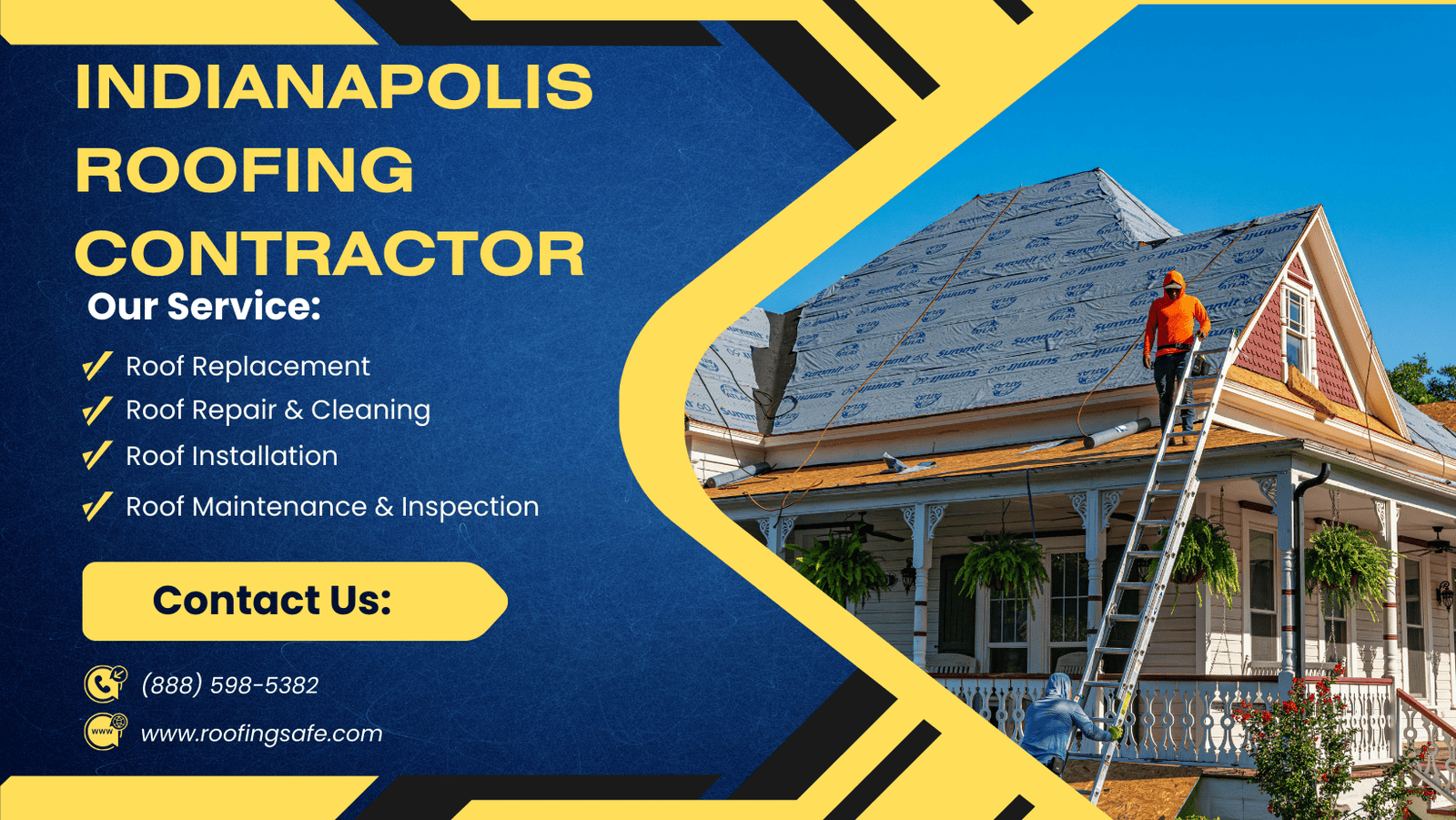
Primary underlayment refers to the weather-resistant membrane laid across the entire roof deck before shingles are installed. Modern synthetics, like those with slip-resistant surfaces and high tensile strength, have largely replaced traditional felt paper due to superior durability and breathability. The seal involves meticulously taping or adhering overlaps, edges, and transitions using compatible sealants or high-quality butyl tapes.
This sealing process isn’t mere detail work; it’s engineered precision. Overlaps must achieve at least 6-inch coverage horizontally and 4 inches vertically, with seals creating a continuous waterproof plane. As roofs age and undergo replacement, installers encounter weathered decks and irregular surfaces, making flawless sealing even more challenging. Yet, this step determines whether the roof performs for 30 years or fails prematurely.
Building on this definition, consider how seals integrate with the system. Unlike shingles, which are exposed and replaceable, a compromised underlayment seal leads to insidious damage hidden from view, accelerating rot in sheathing and rafters.
The Role of the Seal in Water Management
Water management defines roofing success, and the underlayment seal orchestrates it masterfully. Shingles deflect bulk water, but micro-intrusions occur at fasteners, valleys, and hips. The seal channels this water over the underlayment surface toward drains, preventing lateral spread. High wind events, common in many regions, uplift shingles momentarily, exposing the underlayment—here, the seal’s adhesion strength, often exceeding 20 pounds per linear inch, holds firm.
Moreover, seals accommodate movement. Roofs expand and contract with temperature fluctuations up to 200 degrees Fahrenheit, stressing joints. Quality seals flex without cracking, unlike rigid caulks that fail. This dynamic protection transitions seamlessly into why seals eclipse other components, as we’ll examine next.
Consequences of Inadequate Sealing
Poorly sealed underlayment invites catastrophe. Water bypassing seals saturates decking, leading to mold, rot, and structural compromise. Homeowners face not just repairs but health hazards from indoor air quality degradation. Insurance claims skyrocket, with average leak-related costs exceeding $10,000.
To illustrate impacts, consider the following table comparing sealed versus unsealed underlayment outcomes:
| Aspect | Properly Sealed | Poorly Sealed |
|---|---|---|
| Water Infiltration Risk | Minimal (less than 1% penetration) | High (up to 50% failure in storms) |
| Deck Lifespan | 50+ years | 5-10 years before rot |
| Repair Costs | Low (routine maintenance) | $15,000+ for interior damage |
| Warranty Validity | Full manufacturer coverage | Voided due to installation fault |
| Energy Efficiency | Improved insulation retention | Reduced by moisture buildup |
This table underscores quantifiable risks, paving the way for a deeper analysis of superiority.
Why the Seal Outranks Other Roof Components
While shingles provide aesthetics and initial protection, ventilation ensures airflow, and flashing guards transitions, the underlayment seal remains paramount due to its foundational position. A breach here undermines the entire assembly, rendering superior shingles irrelevant.
Key reasons elevate the seal’s criticality:
- Universal Exposure: Every roof section relies on it—no exceptions for valleys, eaves, or ridges.
- Invisibility of Failure: Leaks manifest slowly, causing extensive hidden damage before detection.
- Cost Efficiency: Sealing during replacement is inexpensive ($0.10-$0.20 per sq ft) versus retrofit costs post-failure.
- Regulatory Compliance: Codes like IRC R905.1.1 mandate sealed underlayment in high-wind zones.
- Performance Multiplier: Enhances shingle grip, reduces uplift, prolonging overall roof life by 20-30%.
- Climate Resilience: Critical in diverse weathers—from hurricane-prone coasts to freeze-thaw cycles inland.
These factors highlight the seal’s unmatched leverage. Transitioning to real-world application, proper techniques ensure this potential is realized.
Best Practices for Sealing Primary Underlayment
Achieving a robust seal demands preparation and precision. Begin with a clean, dry deck, removing debris and old materials. Use manufacturer-approved tapes, applying in temperatures above 40°F for optimal adhesion. Roll seams firmly with a 75-pound roller, ensuring no fishmouths—gaps from poor laying.
Special attention goes to penetrations: pipe boots, vents, and chimneys require custom flashing integrated with sealant. In ice dam regions, extend sealed ice-and-water shield up eaves at least 24 inches. Quality control inspections, including hose tests, verify integrity before shingling.
Professional crews trained in these methods, often certified by underlayment producers like GAF or CertainTeed, minimize errors. Homeowners should verify credentials and warranties tied to sealed installation.
Real-World Evidence and Long-Term Benefits
Case studies affirm the seal’s dominance. A Florida home post-Hurricane Irma with taped synthetic underlayment showed zero deck damage amid neighbors’ failures. Conversely, a Midwest ranch with spot-sealed felt suffered $25,000 in rafter replacement after just two winters.
Long-term, sealed roofs slash energy bills via better insulation and boost property value—up 5-7% per appraisals citing roof quality. These outcomes reinforce the seal’s preeminence.
Conclusion
In residential roof replacement, the seal of the primary underlayment emerges as the linchpin of durability and protection. By preventing hidden water damage, it safeguards investments and ensures peace of mind. Prioritizing this element during replacement isn’t optional—it’s essential for a resilient roof that withstands time and elements. Roofing professionals and homeowners alike must champion meticulous sealing to unlock a roof’s full potential.
Frequently Asked Questions
What exactly is the primary underlayment in roofing?
The primary underlayment is a waterproof membrane installed over the roof deck, acting as a secondary barrier beneath shingles to protect against leaks.
Why focus on the seal rather than shingles?
Shingles are replaceable and visible, but a failed seal allows undetectable water entry, causing structural damage that shingles alone can’t prevent.
How do you properly seal underlayment overlaps?
Use high-strength butyl tape or sealant on 6-inch horizontal overlaps, rolling firmly to eliminate air pockets, per manufacturer guidelines.
Can poor sealing void my roof warranty?
Yes, most warranties require fully sealed underlayment; inspections often verify this during claims.
What materials are best for sealing?
Synthetic underlayments pair with acrylic or butyl-based tapes offering superior UV resistance and flexibility.
How often should underlayment seals be inspected?
During annual roof checks or after major storms; early detection prevents escalation.
Is sealing more critical in certain climates?
Absolutely—high-wind, heavy-rain, or freeze-thaw areas amplify risks, making seals indispensable.
What’s the cost-benefit of prioritizing seals?
Minimal upfront cost ($500-1,000 for average home) averts $10,000+ in repairs, yielding high ROI.
Get Your Roof Fixed Today
Ready to restore your roof’s protection? Dial (888) 598-5382 now for expert guidance. Prepare your ZIP code beforehand to connect with our closest service professionals efficiently.
Last Updated on May 16, 2026 by RoofingSafe