Table of Contents
Indianapolis homeowners face unique challenges from severe weather patterns, including high winds, tornadoes, and heavy snow loads. In recent years, storms like the 2012 derecho and multiple EF-3 tornadoes have highlighted vulnerabilities in aging roofs. One critical maintenance step emerging from post-storm assessments and updated building codes is the mandatory re-nailing of roof decking. This process ensures that the plywood or oriented strand board (OSB) panels securing the roof structure are properly fastened, preventing catastrophic failures during extreme weather. As local authorities enforce stricter standards, understanding why re-nailing is essential can protect lives, property, and investments.
Transitioning from general awareness to specifics, let’s explore what roof decking entails and why its fastening integrity is paramount for safety in the Hoosier State.
What is Roof Decking
Roof decking forms the foundational layer of any residential roof, typically consisting of 1/2-inch to 5/8-inch thick plywood or OSB sheets nailed directly to roof rafters or trusses. This solid platform supports shingles, underlayment, and insulation while providing structural rigidity. In Indianapolis, where homes often date back decades, original installations may have used inadequate nailing patterns—such as sparse 6-inch spacing or common nails prone to loosening over time. Weather exposure accelerates this deterioration, leading to uplift risks in winds exceeding 90 mph, common during Midwest supercells.
Over the years, thermal expansion, moisture cycles, and seismic-like vibrations from storms weaken these connections. Re-nailing addresses this by removing old fasteners and installing code-compliant ring-shank or deformed-shank nails at precise intervals, restoring the decking’s wind resistance and load-bearing capacity.
Indianapolis Building Code Requirements
Marion County’s building regulations, aligned with the 2020 Indiana Residential Code (IRC), mandate re-nailing during any roof replacement or significant repair exceeding 25% of the roof area. This stems from IRC Section R905.2.1, which specifies minimum nail spacing: 6 inches on edges and 12 inches in the field for panels in high-wind zones. Indianapolis classifies much of its area in Wind Zone II (110 mph), necessitating enhanced fastening post-2015 code updates following devastating tornado outbreaks.
Permits issued by the Department of Business and Neighborhood Services require inspections verifying compliance. Failure to re-nail can void warranties, complicate insurance claims, and result in fines up to $500 per violation. As a result, reputable contractors now routinely include this step, emphasizing its role in preventing secondary damages like interior flooding from breached decking.
Dangers of Neglecting Roof Decking Re-nailing
Without proper re-nailing, roof decking becomes a liability during severe weather events. High winds create uplift forces that can peel panels like banana skins, exposing interiors to rain, debris, and collapse risks. A 2021 study by the Insurance Institute for Business & Home Safety (IBHS) found that homes with substandard deck attachment suffered 7 times more damage in hurricanes, a principle applicable to Indianapolis tornadoes.
Water intrusion leads to mold proliferation, compromising indoor air quality and structural beams. In extreme cases, total roof loss escalates repair costs from $10,000 for shingles to over $50,000 for full replacement. Moreover, loose decking amplifies shingle blow-off, creating projectiles hazardous to neighboring properties.
To illustrate the multifaceted risks, consider the following bulleted list:
- Structural failure: Panels lifting, causing rafter exposure and potential cave-ins.
- Water damage: Gaps allowing leaks that rot sheathing and insulation.
- Mold and health hazards: Moisture fostering toxic growth, exacerbating respiratory issues.
- Insurance denials: Non-compliant roofs ineligible for storm-related claims.
- Safety threats: Flying debris endangering occupants and first responders.
- Property devaluation: Failed inspections hindering sales or refinancing.
Benefits of Mandatory Re-nailing
Investing in re-nailing yields substantial safety and economic advantages. Properly fastened decking withstands 140 mph gusts, per FEMA wind tunnel tests, safeguarding against Indianapolis’ frequent 100+ mph downbursts. This upgrade extends roof lifespan by 20-30 years, delaying full replacements and slashing lifecycle costs.
Energy efficiency improves as sealed decks reduce air infiltration, lowering HVAC demands in Indiana’s variable climate. Homeowners report 15% utility savings post-re-nailing. Additionally, it enhances resale value; Zillow data shows code-compliant roofs boost offers by 5-7% in Midwest markets.
Comparing outcomes underscores the value:
| Aspect | Before Re-nailing (Inadequate) | After Re-nailing (Compliant) |
|---|---|---|
| Wind Resistance | 90 mph threshold | 140+ mph fortified |
| Repair Costs Post-Storm | $30,000-$60,000 | $5,000-$15,000 |
| Insurance Premiums | Higher (15-20% more) | Discounts available (up to 10%) |
| Roof Lifespan | 20 years | 40-50 years |
| Energy Efficiency | Poor (leaks) | Improved (sealed) |
The Re-nailing Process Explained
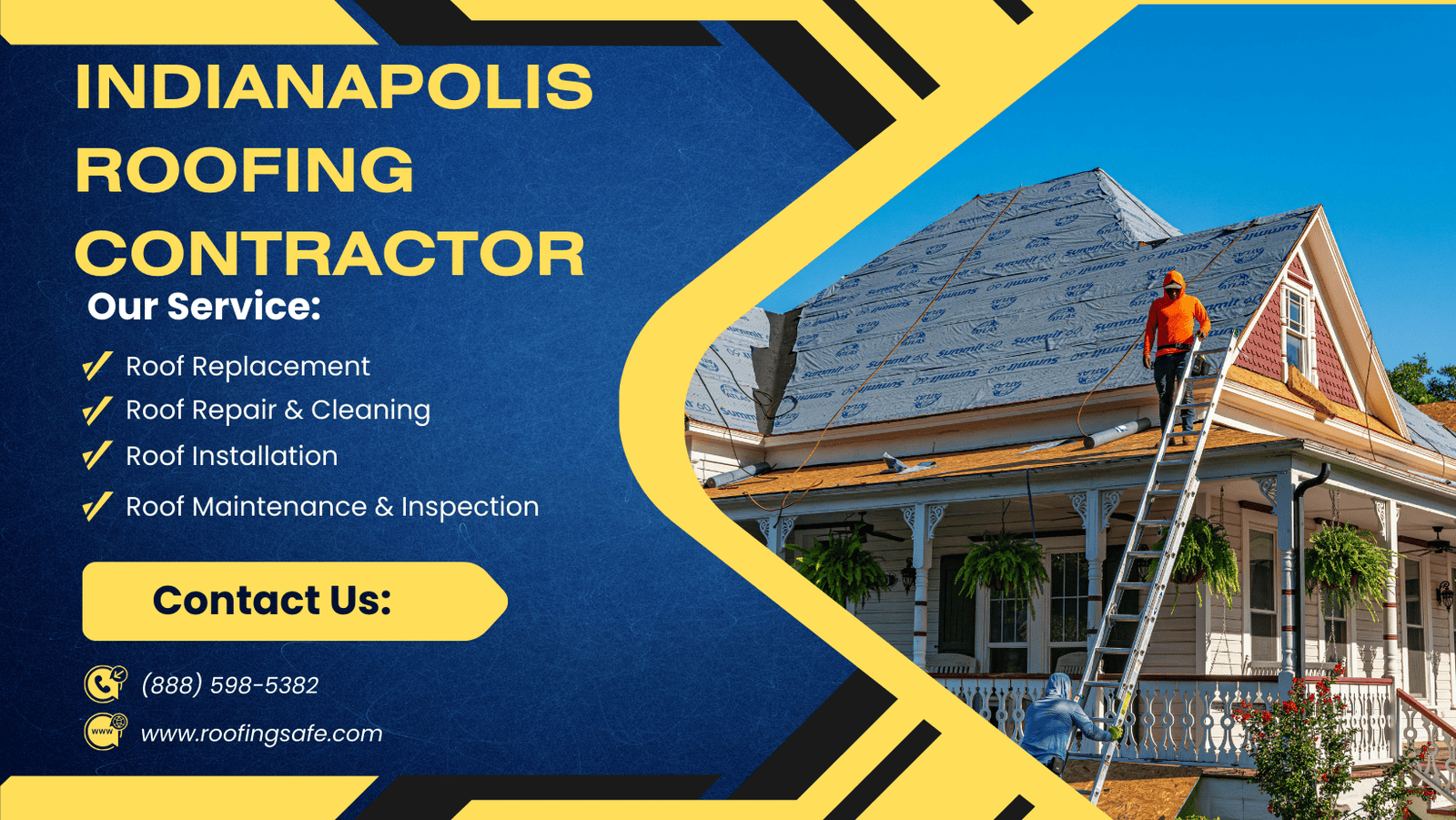
Contractors begin with a thorough inspection using moisture meters and visual checks for uplift signs like spongy sheathing or nail pops. Next, they remove damaged shingles, then systematically pull old nails with pneumatic tools to avoid splintering panels.
New nails—typically 8d ring-shank galvanized—are driven per code using air nailers for precision. Edges receive denser spacing for seam strength, while field nailing ensures uniform hold-down. Underlayment and shingles follow, with final inspection confirming no overdrives or misses. The process adds 1-2 days to standard reroofs but prevents far greater future disruptions.
Post-re-nailing, homeowners gain peace of mind, knowing their roof meets or exceeds standards set by the International Code Council, tailored for Indianapolis’ topography and microclimates.
Case Studies from Local Storms
Real-world examples reinforce urgency. During the 2020 Midwest derecho, unre-nailed roofs in nearby Lafayette neighborhoods suffered total deck failure, costing millions citywide. Conversely, a Beech Grove subdivision with proactive re-nailing reported zero major incidents, saving insurers substantial payouts.
These cases transition us toward practical considerations, like costs averaging $2-$4 per square (100 sq ft) in Indianapolis, often covered partially by storm deductibles or mitigation rebates from Duke Energy.
Conclusion
Mandatory re-nailing of roof decking stands as a non-negotiable safety imperative for Indianapolis homeowners, fortifying homes against the region’s unpredictable weather. By adhering to local codes, investing in this upgrade averts disasters, cuts long-term expenses, and preserves community resilience. Consult certified roofers and secure permits to ensure compliance—your family’s safety hinges on these solid connections.
Frequently Asked Questions
1. What triggers the need for roof decking re-nailing in Indianapolis? It’s required during any permitted roof replacement, repair over 25% of surface area, or post-storm damage assessments per Marion County codes.
2. How much does re-nailing cost for a typical Indianapolis home? Expect $1,500-$4,000 for a 1,500 sq ft roof, varying by pitch and access; quotes from licensed contractors provide accuracy.
3. Can homeowners DIY the re-nailing process? Not recommended due to safety risks, code complexities, and voided warranties; professionals ensure IRC compliance.
4. What are signs that my roof decking needs re-nailing? Look for nail pops, spongy spots, shingle gaps, or interior ceiling stains indicating prior leaks or uplift.
5. Does re-nailing affect my homeowner’s insurance? Yes, positively—compliant roofs qualify for premium discounts and smoother claims processing after storms.
6. How long does the re-nailing process take? Typically 1-2 extra days on a standard reroof, depending on roof size and weather conditions.
7. What type of nails are used in re-nailing? 8d (2.5-inch) ring-shank or deformed-shank galvanized nails, spaced 6 inches on edges and 12 inches in the field.
8. Is re-nailing required for all roof types in Indianapolis? Primarily pitched shingle roofs, but flat or metal roofs may have equivalent attachment mandates under local amendments.
Get Your Roof Fixed Today
Ready to restore your roof’s protection? Dial (888) 598-5382 now for expert guidance. Prepare your ZIP code beforehand to connect with our closest service professionals efficiently.
Last Updated on January 18, 2026 by RoofingSafe